

Shingles Symptoms Explained: Nerve Pain Relief in Houston, TX
Shingles symptoms often begin with unusual sensations along a specific area of the body before a visible rash appears. Many patients notice burning, tingling, itching, sensitivity, or sharp nerve discomfort followed by clusters of fluid-filled blisters that typically develop on one side of the body or face. At InovoSpine, Dr. Pawan Grover, MDPA, evaluates shingles-related nerve pain and provides guidance for patients experiencing persistent or severe symptoms. Our approach focuses on understanding each patient’s condition and developing care strategies designed around their specific pain concerns. For more information, contact us or book an online appointment. We are conveniently located at 1140 Business Center Dr, Suite 110, Houston TX 77043.
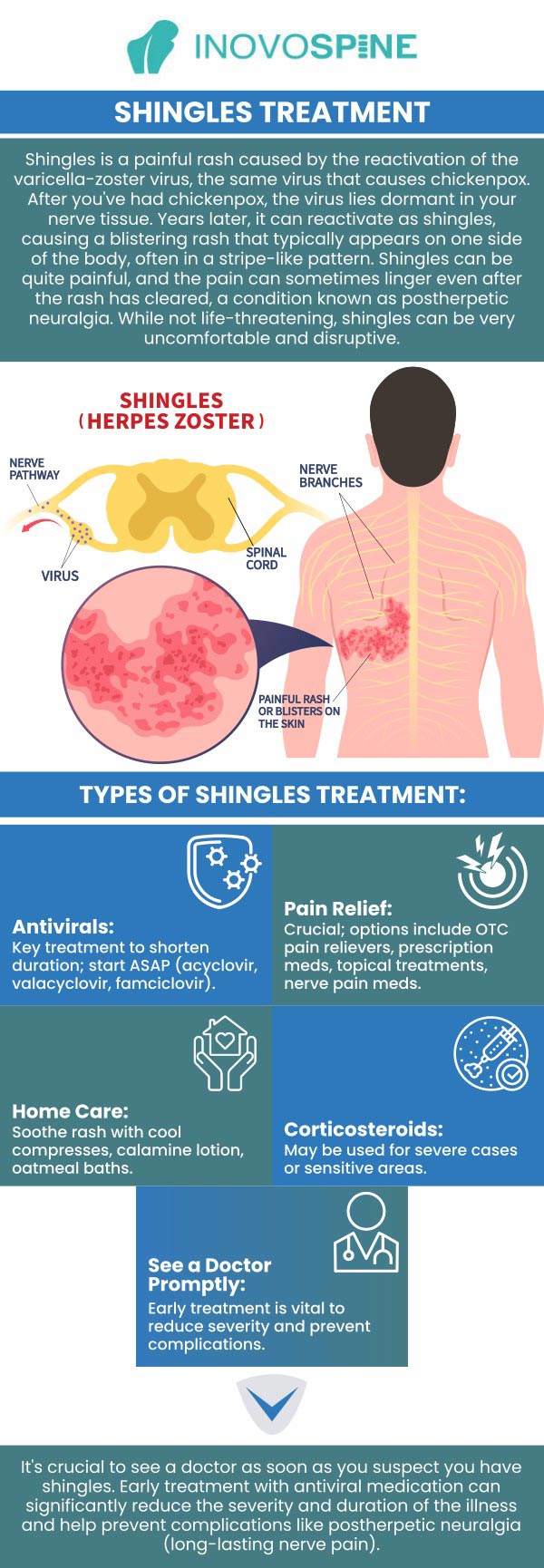
Table of Contents:
What Are The First Symptoms Of Shingles Before A Rash Actually Appears?
What Does Shingles Nerve Pain Feel Like, And Why Is It So Severe?
How Long Does Shingles Nerve Pain Last After The Rash Clears?
How does InovoSpine in Houston TX, treat severe or persistent shingles nerve pain?
Before a shingles rash becomes visible, many people experience early symptoms caused by the reactivation of the varicella-zoster virus along specific nerve pathways. These initial signs may appear several days before the skin changes develop and can sometimes be mistaken for other conditions.
Common early symptoms of shingles may include:
● Tingling, burning, or itching sensations in a specific area of the body
● Increased sensitivity or pain when the skin is touched
● Sharp, aching, or shooting discomfort along a nerve pathway
● Fatigue, headache, or feeling generally unwell
● Mild fever or chills in some cases
As the condition progresses, a painful rash with fluid-filled blisters typically appears on one side of the body or face. Because shingles affects nerves, the discomfort may begin before any visible skin changes occur. Recognizing these early warning signs can help patients seek evaluation sooner and better understand the cause of their symptoms.
At InovoSpine, our team evaluates shingles-related nerve pain and other nervous system concerns to help patients understand their symptoms and available care options. Early assessment may help address discomfort and support a personalized approach for managing pain associated with shingles.
Shingles nerve pain occurs because the varicella-zoster virus affects nerve tissues where it has remained inactive after a previous chickenpox infection. When the virus becomes active again, it can irritate and inflame the affected nerves, leading to pain sensations that may feel different from typical skin discomfort.
People experiencing shingles nerve pain may describe it as:
● Burning or intense stinging sensations
● Sharp, electric-like shocks
● Tingling or pins-and-needles feelings
● Increased sensitivity where even light touch causes discomfort
● Deep aching or persistent nerve-related pain
The severity of shingles nerve pain can vary depending on the affected nerves, the location of the outbreak, and individual health factors. Some people may continue experiencing pain after the rash heals due to ongoing nerve irritation, which is known as postherpetic neuralgia.
At InovoSpine, our team focuses on evaluating and managing nerve-related pain, including discomfort that may continue after a shingles outbreak. We work with patients to understand their symptoms and provide guidance for care options designed around their specific pain concerns.
After a shingles rash heals, some individuals may continue to experience nerve pain that lasts beyond the visible skin symptoms. This ongoing discomfort can occur because the affected nerves may take time to recover after being irritated by the virus.
The duration of shingles nerve pain can vary from person to person. Factors that may influence recovery include:
● The severity of the shingles outbreak
● The location of the affected nerves
● Age and overall health
● How quickly symptoms were evaluated and managed
● The presence of ongoing nerve sensitivity after healing
Some people notice improvement as the nerves recover, while others may experience persistent discomfort for months or longer. Continued burning, tingling, or sharp pain after the rash clears may require medical evaluation to understand the cause and discuss appropriate management options.
At InovoSpine, our team helps patients experiencing lingering shingles-related nerve pain by evaluating their symptoms and providing personalized pain management guidance. We are committed to helping patients address ongoing discomfort and improve their quality of life after a shingles outbreak.
At InovoSpine in Houston, TX, our team evaluates severe or persistent shingles nerve pain by understanding each patient’s symptoms, medical history, and the impact of pain on daily activities. Shingles can sometimes lead to ongoing nerve discomfort, known as postherpetic neuralgia, even after the rash has healed. Our specialists focus on identifying the source of nerve-related pain and creating a personalized approach to help manage symptoms.
InovoSpine provides specialized pain management care designed around each patient’s needs. Through a comprehensive evaluation, our team can recommend appropriate treatment options to help reduce discomfort, improve function, and support better quality of life for individuals experiencing lasting shingles-related nerve pain.
For more information, contact us or book an online appointment. We are conveniently located at 1140 Business Center Dr, Suite 110, Houston TX 77043. We serve patients from Houston TX, Hedwig Village TX, Meadows Place TX, Missouri City TX, Hunters Creek Village TX, Spring Valley Village TX, and surrounding areas.
Check Out Our 5 Star Reviews


Additional Service You May Need
- Regenerative Medicine
- Spinal Arthritis
- Diagnostic Mapping
- Interventional Pain
- Minimally Invasive
- Spine Pain
- Radiofrequency Ablation
- Spinal Cord Stimulation
- Physical Rehabilitation
- Facet Joint Pain
- Herniated Discs
- Muscle and Joint Pain
- Post-Laminectomy Pain
- Myofascial Pain
- Peripheral Nerve Pain
- Regional Pain Syndrome






 Send Text
 How May I Help You?