

What Causes Shingles in Adults?
At Inovo Spine, Dr. Pawan Grover and his team help patients understand the underlying causes of shingles and how it affects the nervous system. Shingles, also known as herpes zoster, is caused by the reactivation of the varicella-zoster virus—the same virus that causes chickenpox. In adults, this reactivation is often triggered by factors such as stress, weakened immunity, aging, or certain medical conditions. For more information, contact us or book an online appointment. We are conveniently located at 1140 Business Center Dr, Suite 110, Houston TX 77043.
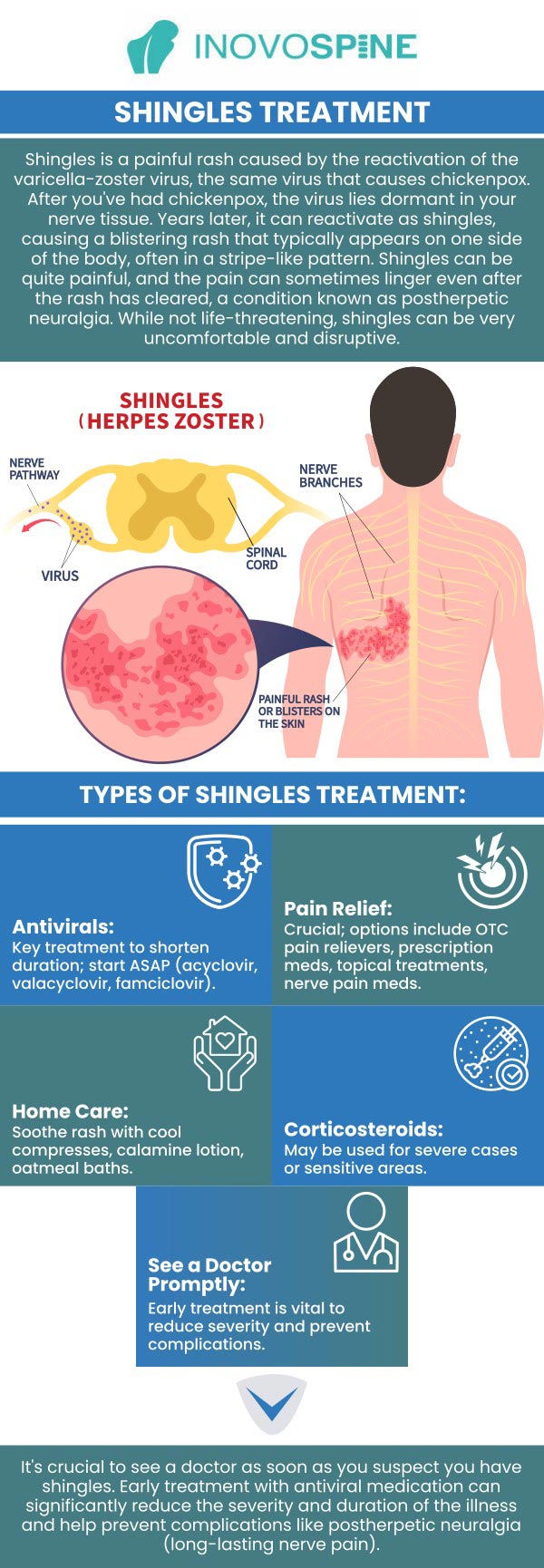
Table of Contents:
Does stress increase the risk of developing shingles?
Can a weakened immune system trigger shingles?
Are certain medications or health conditions linked to a higher risk?
Who is most at risk of developing shingles?
Does age increase the likelihood of shingles?
How can Dr. Pawan Grover help me?
Yes, mounting scientific evidence supports the idea that stress increases the risk of developing shingles (herpes zoster), especially among older adults and immunocompromised individuals. Shingles occurs due to the reactivation of the varicella-zoster virus (VZV), which remains dormant in nerve cells after a person has had chickenpox. Psychological stress can suppress cell-mediated immunity, the specific arm of the immune system responsible for keeping latent viruses like VZV in check.
At Inovo Spine, we often observe postherpetic neuralgia (a common complication of shingles) in patients with a history of stress-related flare-ups. Thus, incorporating mental health assessments and stress management strategies—alongside physical therapy—can be crucial in holistic spine and nerve care. Our team can help you manage spine health holistically, taking into account factors like stress, immune function, and neurological health.
Individuals with weakened immune systems—such as those living with autoimmune disorders or cancer or those taking immunosuppressive medications—are at a higher risk for developing shingles. We frequently care for patients who may fall into these categories and understand the added challenges shingles can present, particularly when it affects nerves in the spine and leads to chronic pain or nerve dysfunction.
If shingles affect nerves near the spinal cord, it can lead to more significant pain syndromes or even neurological complications. Early recognition and treatment are crucial. If you experience new nerve pain, tingling, or a rash along your back or side, prompt evaluation can help minimize complications and speed recovery.
We encourage our patients, especially those with weakened immune systems, to discuss preventive measures such as the shingles vaccine with their healthcare providers. Vaccination and early intervention are key to protecting your nerve and spine health.
Yes, certain medications and health conditions significantly increase the risk of developing shingles (herpes zoster), primarily due to their impact on the immune system’s ability to control latent varicella-zoster virus (VZV). The virus, which causes chickenpox, remains dormant in the nervous system and can reactivate when immunity declines.
Similarly, cancer treatments like chemotherapy and radiation and drugs used in inflammatory bowel disease elevate the risk substantially.
Health conditions such as HIV/AIDS, lupus, diabetes, kidney disease, and cancers inherently suppress immune function, making individuals more susceptible to VZV reactivation. Notably, older adults with dementia or undergoing treatment for autoimmune disorders have also been found to experience higher rates of shingles.
Clinics like Inovo Spine, which deal with chronic pain and spinal nerve complications, often manage patients suffering from postherpetic neuralgia—a painful complication of shingles. Integrating awareness of these risk factors into patient care can help guide prevention strategies, including timely Shingrix vaccination and stress-reduction plans, especially in at-risk groups.
At Inovo Spine, we often see that shingles can have a direct impact on the nerves along the spine. When the virus reactivates, it typically affects the nerves, sometimes causing severe pain, burning, or tingling that radiates along the path of the affected nerve. This pain, known as postherpetic neuralgia, can persist long after the rash has healed and may mimic or worsen symptoms of other spine-related conditions.
Certain patients are at higher risk, including those who:
●Are over the age of 50
●Have compromised immune systems due to conditions like cancer, autoimmune diseases, or treatments such as chemotherapy or steroids
●Are you experiencing significant physical or emotional stress
●For our patients with existing spine or nerve issues, a shingles outbreak can complicate diagnosis and management, as the symptoms may overlap with other spinal nerve conditions such as herniated discs or spinal stenosis.
Prompt recognition and treatment of shingles are crucial, especially when it involves spinal nerves. If you develop a painful rash or experience new, unexplained nerve pain, contact Inovo Spine right away. Early intervention can reduce the risk of complications and help distinguish between shingles-related pain and other spine conditions. Additionally, vaccination against shingles is recommended for eligible adults to lower the risk of reactivation.
The risk of shingles rises considerably with age, especially after 50. As we get older, our immune system naturally weakens, making it harder for the body to keep the dormant virus in check. This is particularly important for our patients at Inovo Spine, as shingles can sometimes lead to complications that affect the spine and nervous system, such as severe nerve pain (postherpetic neuralgia). In fact, about half of all shingles cases occur in adults over the age of 60, and older adults are more likely to develop these serious complications.
Because shingles can cause nerve pain and other neurological symptoms that impact spinal health, we encourage our patients—especially those over 50—to consider vaccination as a preventive measure. Staying informed and proactive about shingles is an essential part of maintaining your overall spine and nerve health.
If you have questions about shingles, its risks, or how it may affect your spinal health, the team is here to help. We offer guidance on the prevention, diagnosis, and management of shingles-related nerve pain to help you stay healthy and active at any age.
At Inovo Spine, Dr. Pawan Grover leads our team with extensive experience in pain management and minimally invasive spine procedures. If you’re struggling with chronic pain—whether it’s in your back, neck, joints, or nerves—Dr. Grover and the Inovo Spine team are dedicated to providing a comprehensive evaluation to uncover the root cause of your symptoms.
Using advanced diagnostic tools and the latest medical technology, Inovo Spine specializes in developing customized treatment plans centered around your unique needs. Dr. Grover offers state-of-the-art interventional procedures, including image-guided injections, nerve blocks, and regenerative medicine therapies, all designed to alleviate pain, reduce inflammation, and restore your mobility.
Our approach is holistic. In addition to minimally invasive procedures, we emphasize physical therapy, lifestyle modifications, and patient education to support your long-term recovery and overall well-being. Dr. Grover is known for his compassionate care, clear communication, and commitment to the most effective, cutting-edge treatment options available.
Whether you’re recovering from an injury or managing a long-term condition, Inovo Spine provides innovative, minimally invasive solutions to help you regain your quality of life. For more information, contact us or book an online appointment. We are conveniently located at 1140 Business Center Dr, Suite 110, Houston TX 77043. We serve patients from Houston TX, Hedwig Village TX, Meadows Place TX, Missouri City TX, Hunters Creek Village TX, Spring Valley Village TX, and surrounding areas.
Additional Service You May Need
- Regenerative Medicine
- Spinal Arthritis
- Diagnostic Mapping
- Interventional Pain
- Minimally Invasive
- Spine Pain
- Radiofrequency Ablation
- Spinal Cord Stimulation
- Physical Rehabilitation
- Facet Joint Pain
- Herniated Discs
- Muscle and Joint Pain
- Post-Laminectomy Pain
- Myofascial Pain
- Peripheral Nerve Pain
- Regional Pain Syndrome






 Send Text
 How May I Help You?