

What Causes Shingles?
Shingles is caused by the reactivation of the varicella-zoster (chickenpox) virus, which is typically triggered by aging, severe stress, or a compromised immune system. While there is no definitive cure for the virus itself, visiting our dedicated Dr Pawan Grover, MDPA immediately ensures you receive targeted antiviral treatments that rapidly heal the painful rash and protect you from lasting nerve complications. For more information, contact us or book an online appointment. We are conveniently located at 1140 Business Center Dr, Suite 110, Houston TX 77043.
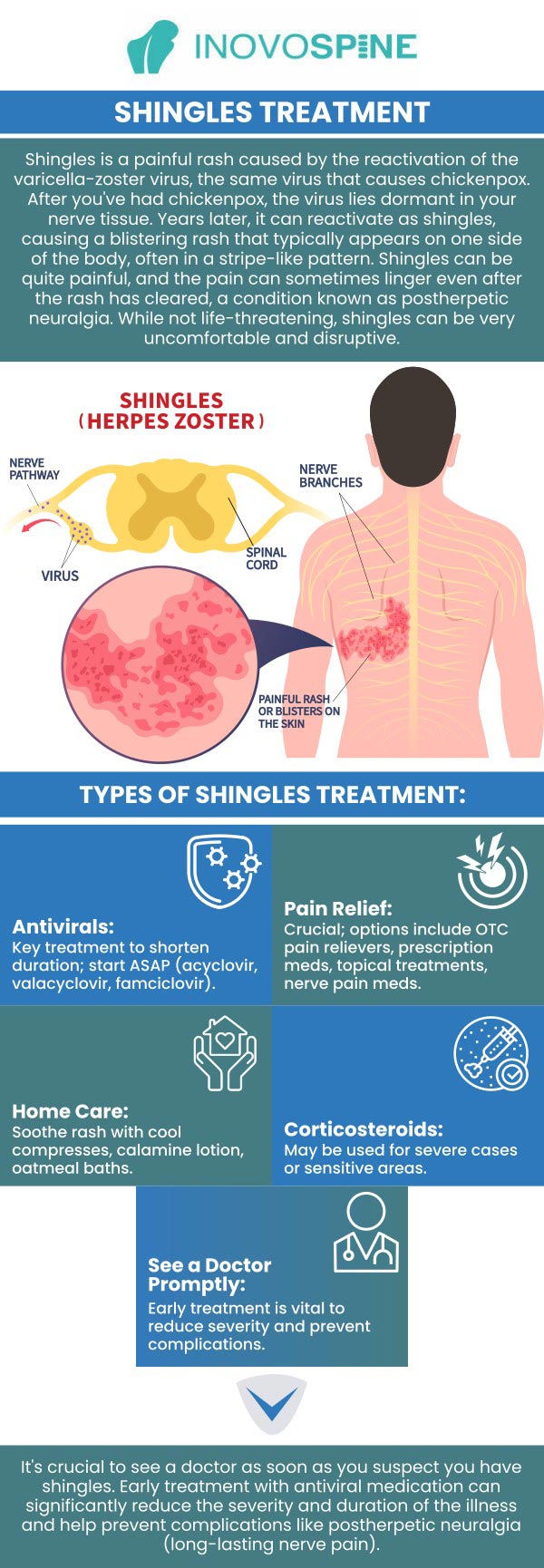
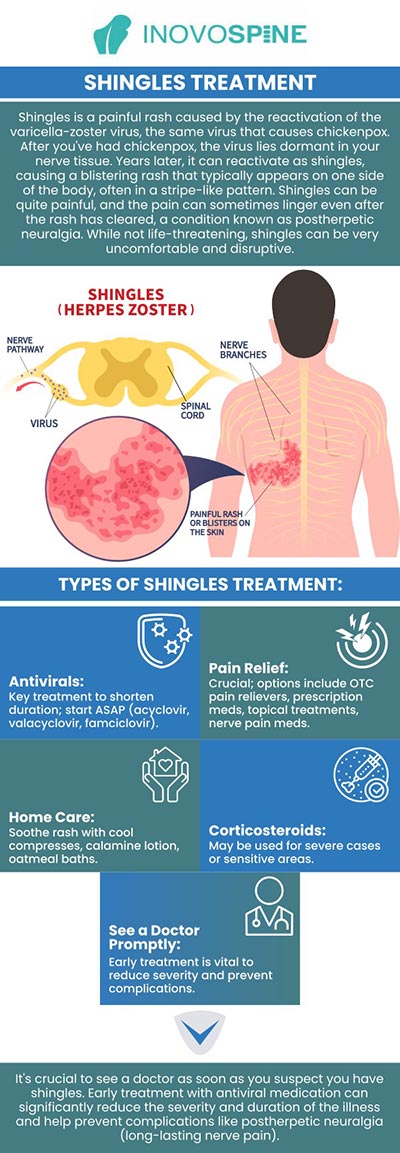
Table of Contents:
What causes shingles in adults?
What factors increase the risk of getting shingles in adults?
Is shingles more common in certain age groups of adults?
Can shingles cause long-term pain in adults? Treatment Options from Dr. Pawan Grover, MD
Shingles (herpes zoster) is caused by the reactivation of the varicella-zoster virus—the same virus responsible for chickenpox. After a person recovers from chickenpox, this virus remains dormant in nerve tissues, including those near the spinal cord.
Years or even decades later, certain factors—such as aging, physical or emotional stress, immune system suppression, or underlying medical conditions—can weaken the immune system, allowing the virus to reactivate. When this happens, the virus travels along nerve fibers (often those that branch out from the spine), leading to the characteristic painful rash and nerve pain of shingles.
Because shingles often affects nerves near the spine, it can sometimes be mistaken for other spinal or nerve-related problems. At InovoSpine, our expertise in spinal neurology allows us to accurately diagnose and treat nerve pain, including cases related to shingles. Early recognition and management are crucial, as untreated shingles can lead to persistent nerve pain (postherpetic neuralgia), which can severely impact quality of life.
Several factors can increase the risk of developing shingles in adults, especially those who may already have spine-related pain or chronic health conditions. Age is a significant contributor; individuals over 50 are more susceptible as the immune system naturally weakens, making it harder to keep the virus dormant. Patients with weakened immune systems—including those with conditions like cancer, HIV/AIDS, or those undergoing chemotherapy or organ transplantation—are also at higher risk.
If you have had chickenpox, you carry the varicella-zoster virus, and it can reactivate later in life as shingles, especially when the immune system is stressed. Physical and emotional stress, as well as certain medications may further increase your risk.
Medical conditions commonly managed at InovoSpine, such as diabetes and chronic illnesses, can also affect your immune system’s ability to suppress the virus. Since spine pain and mobility issues can sometimes lead to additional stress and require medications that impact immunity, it’s especially important for our patients to be aware of their risk factors for shingles.
Shingles is a viral condition that becomes more common as people age, especially in adults over 50. As the immune system naturally weakens with age, the varicella-zoster virus (the same virus that causes chickenpox) can reactivate, potentially affecting nerves along the spine and causing severe pain, burning, or even numbness.
While shingles is more common in older adults, individuals with weakened immune systems due to illness or medication are also at increased risk, regardless of age. Because age is the most significant risk factor, the CDC recommends vaccination for adults aged 50 and above to help prevent shingles and its complications.
If you are experiencing unexplained nerve pain, burning, or sensitivity along your back or torso, especially if you are over 50, InovoSpine is here to help diagnose and manage your symptoms. Our team specializes in identifying the root causes of nerve and spine pain, including complications from shingles, and providing advanced treatment options to help you find relief.
Shingles, also known as herpes zoster, is a viral infection caused by the reactivation of the varicella-zoster virus—the same virus responsible for chickenpox. While the acute phase of shingles typically involves a painful skin rash and blisters, some adults continue to experience pain long after the rash has healed. This lingering pain is known as postherpetic neuralgia (PHN), one of the most common and challenging long-term complications of shingles, particularly in older adults.
At InovoSpine, we understand the severe impact that postherpetic neuralgia can have on daily life. PHN can last for months or even years after the initial shingles outbreak, causing persistent burning, sharp, or stabbing pain. This nerve pain can be debilitating, interfering with sleep, work, and overall quality of life. The risk of developing PHN increases with age and in individuals with weakened immune systems.
Comprehensive and Personalized Treatment
The InovoSpine team, led by Dr. Pawan Grover, MD, emphasizes early intervention and a multidisciplinary approach to managing shingles and its complications. If you are experiencing persistent pain after a shingles outbreak, our practice offers a wide range of advanced pain management solutions tailored to your specific needs.
Treatment options at InovoSpine for postherpetic neuralgia may include:
• Antiviral medications: Most effective when started within 72 hours of the shingles rash, these can reduce the severity and duration of the infection and may lower the risk of developing PHN.
• Prescription medications: Including anticonvulsants (like gabapentin or pregabalin) and certain antidepressants that target nerve pain.
• Topical therapies: Such as lidocaine or capsaicin patches to provide localized relief.
• Interventional procedures: Advanced options like nerve blocks, epidural steroid injections, or other minimally invasive procedures for patients with severe or refractory pain.
• Non-pharmacological therapies: Physical therapy, occupational therapy, and cognitive behavioral therapy can also be incorporated into your personalized treatment plan to improve function and coping skills.
• Prevention and Patient Education
Dr. Grover and the InovoSpine team also stress the importance of prevention. The shingles vaccine is recommended for adults over the age of 50 and can significantly reduce your risk of developing both shingles and postherpetic neuralgia. For more information, contact us or book an online appointment. We are conveniently located at 1140 Business Center Dr, Suite 110, Houston TX 77043. We serve patients from Houston TX, Hedwig Village TX, Meadows Place TX, Missouri City TX, Hunters Creek Village TX, Spring Valley Village TX, and surrounding areas.
Check Out Our 5 Star Reviews


Additional Service You May Need
- Regenerative Medicine
- Spinal Arthritis
- Diagnostic Mapping
- Interventional Pain
- Minimally Invasive
- Spine Pain
- Radiofrequency Ablation
- Spinal Cord Stimulation
- Physical Rehabilitation
- Facet Joint Pain
- Herniated Discs
- Muscle and Joint Pain
- Post-Laminectomy Pain
- Myofascial Pain
- Peripheral Nerve Pain
- Regional Pain Syndrome






 Send Text
 How May I Help You?