

Are Shingles Contagious? Transmission Facts from Houston, TX Specialists
Shingles develops when the varicella-zoster virus, the same virus responsible for chickenpox, becomes active again inside the body. While shingles itself does not spread from person to person like a typical cold or flu, the virus can be transmitted through direct contact with fluid from active shingles blisters. At InovoSpine, Dr. Pawan Grover, MDPA, helps patients understand shingles symptoms, nerve-related discomfort, and possible complications associated with the condition. Early evaluation can be important when shingles cause significant pain, burning sensations, or lingering nerve symptoms after the rash improves. For more information, contact us or book an online appointment. We are conveniently located at 1140 Business Center Dr, Suite 110, Houston TX 77043.
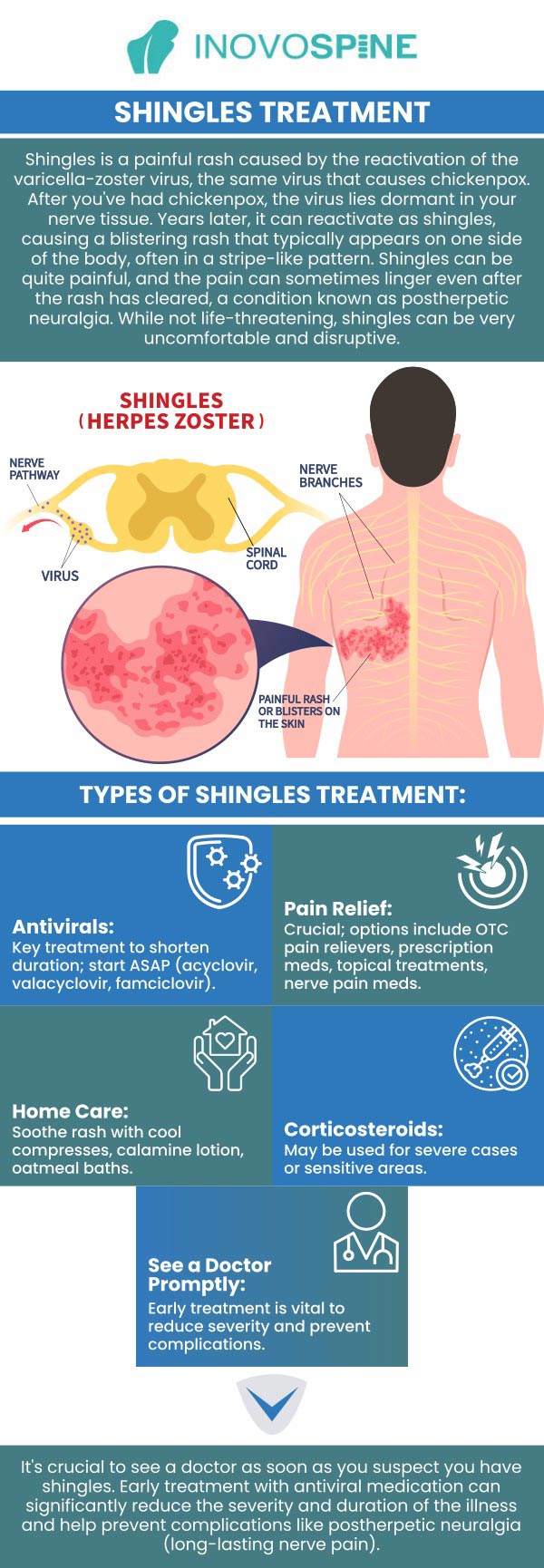
Table of Contents:
Can I catch shingles directly from someone who currently has an outbreak?
How long is a person with shingles actually contagious?
Who is most at risk if I have an active shingles rash?
How can I prevent spreading the virus to others in my household?
I am no longer contagious but still have terrible pain. Can InovoSpine help?
At InovoSpine, we are committed to helping you maintain a healthy spine and nervous system. Shingles, also known as herpes zoster, can affect nerve health, including the nerves in your back and spine. Shingles occurs when the varicella-zoster virus, which is also responsible for causing chickenpox, becomes active again. If you previously had chickenpox, the virus can stay inactive within your nerve tissues for many years and may reactivate later, often leading to a painful rash that can affect areas near the spine.
It is impossible for shingles to spread directly from one person to another. If you have already had chickenpox or received the chickenpox vaccine, being around someone with shingles will not cause you to catch shingles. However, if you have never had chickenpox or the vaccine, contact with fluid from shingles blisters can transmit the varicella-zoster virus. In that case, you would develop chickenpox, not shingles. The virus spreads through direct contact with open sores, not through coughing or sneezing.
Shingles can cause severe nerve pain (postherpetic neuralgia) and may affect nerves in the back, chest, or face, which can mimic or worsen spine-related symptoms. At InovoSpine, our team specializes in diagnosing and managing nerve pain, including pain caused by shingles or its complications. Covering the rash and practicing good hygiene can help prevent spreading the virus to those who have not had chickenpox or the vaccine. Once blisters have crusted over, the risk of spreading the virus is greatly reduced. If you are experiencing persistent pain after a shingles outbreak, our specialists can help manage nerve-related discomfort and support your recovery.
A person with shingles is contagious only while the shingles blisters are present and still open. At InovoSpine, we often see patients experiencing nerve-related pain that can sometimes be caused by shingles (herpes zoster). Shingles occurs when the varicella-zoster virus, the same virus that causes chickenpox, becomes active again and may lead to a painful, blistering rash and lingering nerve pain known as postherpetic neuralgia.
Shingles itself does not spread from person to person. However, the varicella-zoster virus can be transmitted to someone who has never had chickenpox or has not been vaccinated against it. This transmission occurs through direct contact with fluid from open shingles blisters, and the exposed person may develop chickenpox, not shingles.
The contagious period usually ends once the blisters dry out and form scabs, which commonly happens within seven to ten days. At InovoSpine, our team recommends covering the rash and practicing proper hygiene to help reduce the risk of spreading the virus, especially around vulnerable individuals. If you are experiencing persistent pain after shingles, our team focuses on managing nerve-related discomfort and helping improve your quality of life.
At InovoSpine, we understand that shingles can affect more than the skin, as the condition involves the nervous system and may lead to ongoing nerve-related discomfort. Shingles occurs when the varicella-zoster virus becomes active again after remaining inactive in the body following a previous chickenpox infection. Although shingles does not spread directly between people, the virus from an active rash can affect individuals who have never had chickenpox or have not received the varicella vaccine.
People who may have a greater risk of developing complications after exposure include:
● Newborns: Babies, especially those whose mothers have not had chickenpox or the vaccine, may be more vulnerable to infection.
● Pregnant individuals: Those without immunity to chickenpox may face increased concerns if exposed to the virus.
● People with weakened immune systems: Individuals with reduced immune defenses due to certain health conditions or treatments may have a higher risk of complications.
● Older adults: Age-related changes in immune response can increase the possibility of more serious symptoms.
● Individuals managing chronic health conditions: Certain ongoing medical concerns may make it harder for the body to respond effectively to infections.
To help protect others when you have an active shingles rash, it is important to take simple precautions:
● Keep the affected area covered to reduce the chance of virus exposure.
● Avoid touching, scratching, or irritating the rash.
● Wash your hands regularly, especially after caring for the affected area.
● Avoid close contact with newborns, pregnant individuals without immunity, and people with weakened immune systems until the rash has fully crusted.
● Maintain good hygiene practices to support a safer environment.
At InovoSpine, Dr. Pawan Grover, MDPA, focuses on helping patients understand shingles-related nerve concerns and providing guidance for managing discomfort. Taking preventive steps during an active outbreak can help protect vulnerable individuals while supporting your own recovery.
At InovoSpine, we understand that protecting your health also includes taking steps to keep those around you safe. If you have an active shingles rash, following proper precautions can help reduce the risk of spreading the varicella-zoster virus to others in your household.
● Keep the Rash Covered: Cover the affected area to reduce the chance of direct contact with blister fluid.
● Avoid Touching the Rash: Do not scratch or pick at blisters, and wash your hands if you accidentally touch the affected area.
● Practice Good Hand Hygiene: Wash your hands regularly with soap and water, especially after caring for the rash.
● Avoid Sharing Personal Items: Do not share towels, clothing, bedding, or other personal items that may come into contact with the rash.
● Limit Close Contact: Avoid close contact with newborns, pregnant individuals who have not had chickenpox, and people with weakened immune systems until the rash has crusted over.
● Clean Frequently Touched Surfaces: Regularly clean household items and surfaces to maintain good hygiene.
● Follow Proper Care Instructions: Follow guidance from your healthcare team to support healing and reduce the risk of exposure.
● Monitor Your Symptoms: If pain continues or symptoms become more severe, seek medical guidance for proper evaluation and management.
At InovoSpine, our team helps patients understand shingles-related nerve pain and provides personalized care for ongoing symptoms. Taking these precautions can help protect your household while you focus on recovery.
If you are no longer contagious but continue to experience severe pain after shingles, InovoSpine can help evaluate your ongoing symptoms. Shingles can sometimes lead to persistent nerve-related pain, known as postherpetic neuralgia, even after the rash has healed. Our team focuses on identifying the source of your discomfort and understanding how nerve involvement may be affecting your daily activities.
At InovoSpine, we provide personalized pain management care based on your specific symptoms and health needs. Through a detailed evaluation, our specialists can help determine appropriate treatment options to manage lingering pain, improve comfort, and support your return to daily activities. If you are experiencing ongoing nerve pain after shingles, our team is here to provide guidance and specialized care.
For more information, contact us or book an online appointment. We are conveniently located at 1140 Business Center Dr, Suite 110, Houston TX 77043. We serve patients from Houston TX, Hedwig Village TX, Meadows Place TX, Missouri City TX, Hunters Creek Village TX, Spring Valley Village TX, and surrounding areas.
Check Out Our 5 Star Reviews


Additional Service You May Need
- Regenerative Medicine
- Spinal Arthritis
- Diagnostic Mapping
- Interventional Pain
- Minimally Invasive
- Spine Pain
- Radiofrequency Ablation
- Spinal Cord Stimulation
- Physical Rehabilitation
- Facet Joint Pain
- Herniated Discs
- Muscle and Joint Pain
- Post-Laminectomy Pain
- Myofascial Pain
- Peripheral Nerve Pain
- Regional Pain Syndrome






 Send Text
 How May I Help You?